Introduced in 2012 by the Department of Electronics and Information Technology (DeitY) and the Bureau of Indian Standards (BIS), the Compulsory Registration Scheme (CRS) aims to protect consumers from counterfeit and substandard electronic and IT products. Under this scheme, a BIS license is mandatory before launching these products in the market.
The Compulsory Registration Scheme (CRS) was launched by the Ministry of Electronics and Information Technology (MeitY) in 2012 and is operated by the Bureau of Indian Standards (BIS). This scheme mandates that certain electronic and IT products must meet specified Indian Standards before they can be manufactured, imported, or sold in India.
The CRS aims to ensure that only safe, high-quality products reach consumers, thereby reducing the risk of substandard goods in the market. Under this scheme, manufacturers must have their products tested in BIS-recognized laboratories and obtain registration. Once approved, the product is granted the right to bear the BIS Standard Mark, assuring customers of its safety and compliance.
This registration is mandatory for a growing list of electronic products, which continues to expand as new technologies emerge. Both domestic and international manufacturers must comply with CRS requirements to enter or continue operating in the Indian electronics market.
By aligning with BIS CRS standards, manufacturers not only meet regulatory requirements but also build brand trust and ensure long-term market access in India.
The Bureau of Indian Standards (BIS) is the national authority responsible for standardization, quality certification, and regulatory compliance in India. In the context of electronic and IT products, BIS plays a central role in implementing and enforcing mandatory safety standards under various schemes, including the Compulsory Registration Scheme (CRS).
Key responsibilities of BIS include:
BIS ensures that only certified, safe, and standard-compliant products are made available to Indian consumers. Obtaining a BIS Licence is mandatory for manufacturers (domestic and foreign) of notified electronic items to access the Indian market legally.
The BIS Registration for Electronic & IT Products under the Compulsory Registration Scheme (CRS) is a mandatory certification process in India, designed to ensure that electronic and IT goods meet national safety and quality standards before reaching consumers. Introduced in 2012 by the Ministry of Electronics & Information Technology (MeitY) and regulated by the Bureau of Indian Standards (BIS), this scheme plays a crucial role in protecting consumers from substandard and counterfeit products.
Under the CRS, manufacturers—both domestic and foreign—must obtain BIS registration for a wide range of products, including items like mobile phones, laptops, LED lights, power adapters, and more, before these can be legally manufactured, imported, distributed, or sold in the Indian market.
The process involves:
The BIS license is typically valid for two years and can be renewed upon expiry. The scheme currently covers around 75 product categories and is regularly updated to include new items as technology evolves.
Complying with BIS CRS registration not only ensures legal market access in India but also builds consumer trust and supports fair competition by assuring product safety and quality. Non-compliance can lead to legal penalties and market restrictions, making BIS registration essential for any business dealing in electronic and IT products in India.
BIS CRS (Compulsory Registration Scheme) Registration offers several significant advantages for manufacturers, importers, and consumers in the Indian market:
In summary, BIS CRS registration is a critical step for any manufacturer or importer of electronic and IT products targeting the Indian market, as it ensures compliance, safety, and credibility while unlocking market opportunities and consumer trust
To obtain BIS CRS (Compulsory Registration Scheme) registration for electronic and IT products, the following eligibility criteria must be met:
In summary, BIS CRS registration is mandatory for manufacturers whose products are listed under the CRS scheme and who can demonstrate compliance with the relevant Indian standards through testing in BIS-approved labs. Foreign manufacturers must also appoint an AIR in India to complete the process.
For Domestic and Foreign Manufacturers
Below is a clear, side-by-side format outlining the BIS CRS registration process for both Domestic and Foreign Manufacturers:
| Sr.No | Steps | Domestic Manufacturers | Foreign Manufacturers |
|---|---|---|---|
|
1 |
Register on BIS Portal |
Register as a manufacturer on the BIS CRS portal. |
Register as a manufacturer on the BIS CRS portal. Appoint an Authorized Indian Representative (AIR) in India. |
|
2 |
Product Testing |
Submit product samples to a BIS-recognized lab in India for testing as per relevant Indian Standards. |
Submit product samples to a BIS-recognized lab in India for testing as per relevant Indian Standards. |
|
3 |
Gather Documents |
Collect all required documents: |
Collect all required documents: |
|
4 |
Online Application |
Fill and submit the online application form on the BIS portal, upload documents, and pay the fee. |
Fill and submit the online application form on the BIS portal, upload documents, and pay the fee. AIR handles this process. |
|
5 |
Submission of Hard Copies |
Submit hard copies of the application and documents to BIS within 15 days of online submission. |
AIR submits hard copies of the application and documents to BIS within 15 days of online submission. |
|
6 |
Scrutiny & Queries | BIS reviews the application and may raise queries. Respond promptly to any requests for clarification or additional documents. | BIS reviews the application and may raise queries. AIR must respond promptly to any requests for clarification or additional documents. |
|
7 |
Grant of Registration | Upon approval, BIS issues the registration certificate. Manufacturer can now use the BIS CRS mark. | Upon approval, BIS issues the registration certificate. AIR receives the certificate on behalf of the manufacturer, who can now use the BIS CRS mark |
| 8 | Renewal | Registration is valid for 2 years and must be renewed before expiry. | Registration is valid for 2 years and must be renewed before expiry. AIR handles renewal for foreign manufacturers. |
Key Differences
Summary
| Sr.No | Stage | Timeline |
|---|---|---|
|
1 |
Testing (at BIS lab) | 10–15 working days |
|
2 |
Application processing (by BIS) | 20 working days |
|
3 |
Inclusion of new models (optional) | 15–20 working days |
|
4 |
Total Estimated Time | 30–40 working days |
Validity & Renewal of BIS Licence
New Application
Inclusion of New Models
Renewal of Licence
Notes
To obtain BIS Licence under the Compulsory Registration Scheme (CRS) for electronic and IT products, manufacturers must submit a comprehensive set of documents.
Below is a consolidated checklist based on the latest requirements:
Note:
| Sr.No | Products Name | IS Standard |
|---|---|---|
|
1 |
AMPLIFIERS WITH INPUT POWER 2000W AND ABOVE | IS 616:2017 |
|
2 |
AUTOMATIC DATA PROCESSING MACHINE | IS 13252(Part 1):2010 |
|
3 |
ELECTRONIC CLOCKS WITH MAINS POWER | IS 302-2-26:2014 |
|
4 |
ELECTRONIC GAMES (VIDEO) | IS 616:2017 |
|
5 |
ELECTRONIC MUSICAL SYSTEMS WITH INPUT POWER 200W AND ABOVE | IS 616:2017 |
|
6 |
LAPTOP/NOTEBOOK/TABLET | IS 13252(Part 1):2010 |
|
7 |
MICROWAVE OVENS | IS 302-2-25:2014 |
KMA Global offers structured and professional consultancy for manufacturers seeking BIS Registration for electronic and IT products notified under the Compulsory Registration Scheme (CRS).
Mr. Ajay Kumar Bhatnagar, Former Senior Director, BIS
Mr. Mahim Jain, Former Deputy Director General (Certification) & Head of FMCD, BIS
With over 60 years of combined experience at the Bureau of Indian Standards (BIS), our leadership offers valuable insight, strategic direction, and a deep understanding of BIS processes.
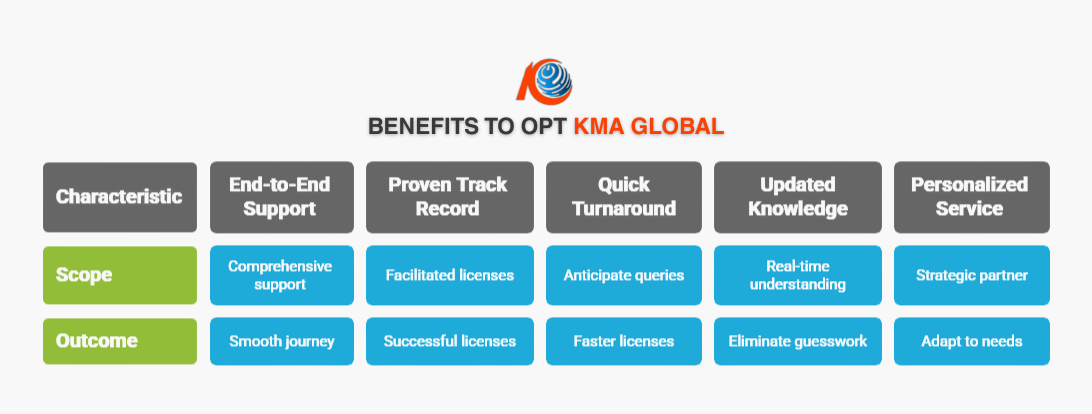
1. Comprehensive Support Throughout the BIS Registration Process
We assist manufacturers right from the initial stage to the successful grant of registration:
As your trusted consultant, we ensure a smooth and structured journey for Foreign & Domestic manufacturers complying with Indian Standards.
2. Streamlined and Efficient Process
We understand the detailed procedures and documentation needed for BIS registration. Our expertise enables you to:
With us, the journey to BIS compliance is faster, more transparent, and stress-free.
3. Updated Knowledge of Bureau of Indian Standards Act, Rules & Regulations
Our leadership’s involvement in BIS policy, implementation, and certification activities ensures real-time awareness of evolving Indian Standards, amendments, and procedural updates. We ensure that your documentation, systems, and factory processes align with the latest BIS requirements.
5. Personalized Service for Every Client
We treat each client as a strategic partner, offering:
Whether you’re applying for your first BIS licence or extending your certification to additional product standards, we adapt to your specific manufacturing needs with precision.
Looking for ISI Mark Certification?
The BIS Compulsory Registration Scheme (CRS) is a certification program by the Bureau of Indian Standards (BIS) for electronic and IT products. It ensures that these products meet Indian safety and quality standards before being sold in the Indian market.
BIS CRS certification is mandatory for certain electronic products under the Electronics and IT Goods (Requirement of Compulsory Registration) Order, 2012. It ensures product safety, reduces substandard imports, and enhances consumer trust.
Manufacturers (both Indian and foreign) of electronic products falling under the CRS list must obtain BIS certification before selling their products in India. Importers and traders must ensure their suppliers have a valid BIS CRS certificate.
Over 77 electronic product categories require BIS CRS registration, including:
The BIS CRS registration process typically takes 4 to 6 weeks, depending on product testing, document verification, and application approval.
The step-by-step process includes:
No, under the CRS scheme, factory inspection is not required. However, the product must be tested in a BIS-accredited lab before registration.
The BIS CRS certificate is valid for 2 years and can be renewed upon expiration.
Yes, foreign manufacturers can apply but must appoint an Authorized Indian Representative (AIR) to handle compliance and communication with BIS.
If a product fails BIS lab testing, the manufacturer must make the necessary modifications and submit the product for retesting. Selling non-compliant products is illegal in India.
Yes, you can verify a product’s BIS CRS certification by checking the BIS website (www.bis.gov.in) or looking for the BIS CRS logo on the product.
Selling non-certified products in India can lead to:
KMA GLOBAL provides expert consultancy for BIS CRS registration, including: