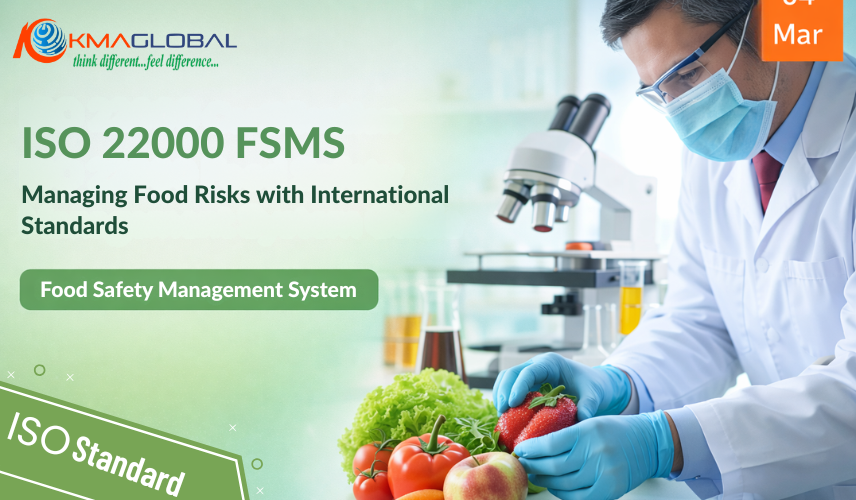
Food safety is one of the most critical concerns for businesses operating in the global food supply chain. From raw material sourcing to food production, storage, distribution, and consumption, every stage of the process must be carefully managed to ensure that food products are safe for consumers.
With increasing regulatory requirements and growing consumer awareness, organizations involved in food production and processing must implement structured systems that help prevent food safety risks.
This is where ISO 22000 plays an important role. Developed by the International Organization for Standardization, ISO 22000 provides a globally recognized framework for managing food safety risks across the entire food supply chain.
Organizations implementing ISO 22000 are able to systematically identify food safety hazards, implement preventive controls, and ensure that food products consistently meet safety requirements.
ISO 22000 is an international standard that specifies the requirements for establishing a Food Safety Management System (FSMS).
The main objective of the standard is to help organizations ensure that food products are safe for consumption. It combines the principles of Hazard Analysis and Critical Control Points (HACCP) with a structured management system approach.
By integrating food safety practices with management processes, ISO 22000 enables organizations to identify hazards, implement control measures, and continuously monitor food safety performance.
The standard is designed to be applicable to all organizations involved in the food chain, regardless of their size or complexity.
Food safety incidents can have serious consequences for both consumers and businesses. Contaminated or unsafe food products can lead to health risks, product recalls, regulatory penalties, and reputational damage.
To prevent such incidents, organizations must adopt a proactive approach to food safety management.
Implementing a structured Food Safety Management System helps organizations identify potential hazards at different stages of production and take preventive measures to eliminate or control them.
By following internationally recognized standards such as ISO 22000, organizations demonstrate their commitment to maintaining high levels of food safety and quality.
ISO 22000 integrates several important elements that help organizations manage food safety risks effectively.
Organizations must identify biological, chemical, and physical hazards that may occur during food production or processing.
Critical points within the production process must be monitored to prevent or eliminate food safety hazards.
Basic environmental and operational conditions such as sanitation, hygiene, and facility maintenance must be maintained.
Organizations must ensure that food products can be traced throughout the supply chain.
Effective communication between suppliers, producers, regulators, and customers is essential for managing food safety risks.
ISO 22000 is designed for organizations throughout the food supply chain.
Some examples include:
Because food safety risks can occur at multiple stages, ISO 22000 encourages collaboration and communication between all participants in the food chain.
Successful implementation of a Food Safety Management System requires employees to understand food safety principles and operational controls.
Training programs help professionals gain practical knowledge about food safety hazards, risk assessment methods, and monitoring procedures.
Employees who are trained in ISO 22000 are better equipped to identify potential risks and maintain effective food safety practices in daily operations.
Organizations that invest in food safety training often develop stronger internal systems for managing compliance and preventing food safety incidents.
Consumer trust is a critical factor in the food industry. Customers expect food products to be safe, hygienic, and compliant with regulatory requirements.
By implementing internationally recognized food safety standards such as ISO 22000, organizations can demonstrate their commitment to maintaining high safety standards.
A well-implemented Food Safety Management System not only protects consumers but also strengthens brand reputation and market credibility.
Food safety is a shared responsibility across the entire food supply chain. Organizations must take proactive steps to identify hazards, implement preventive controls, and maintain strict monitoring systems.
Standards such as ISO 22000 provide a comprehensive framework that helps businesses manage food safety risks systematically while ensuring compliance with global best practices.
As consumer awareness and regulatory expectations continue to grow, organizations that adopt structured food safety management systems will be better positioned to maintain trust and ensure long-term sustainability in the food industry.
About The Author
Technical professional in management system standards training support, quality documentation, and coordination. Brings a strong analytical background with expertise in structured reporting, compliance-focused content, and training ope...Read More




Jun 26, 2026
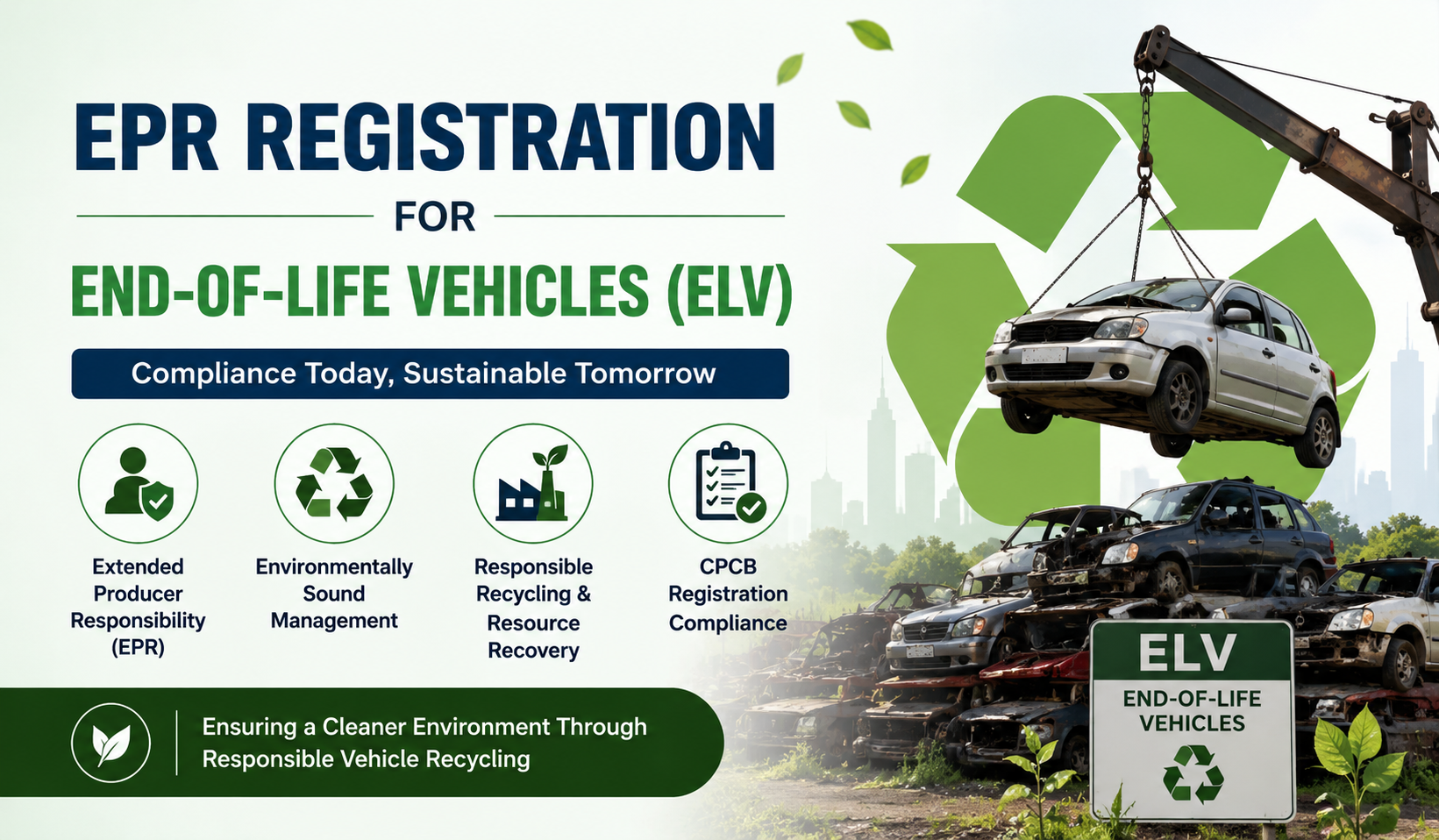
EPR Registration for End-of-Life Vehicles
Jun 24, 2026
EPR Registration for E-Waste Management in India