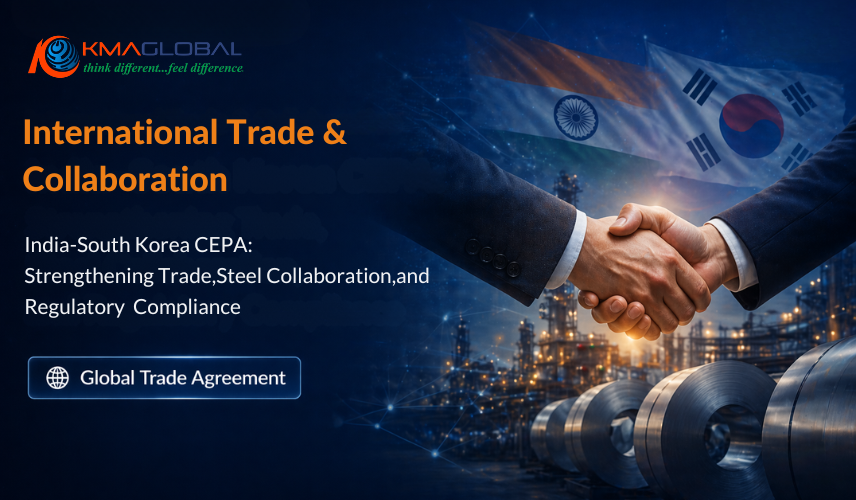
It’s a question that often comes to mind. CEPA stands for the Comprehensive Economic Partnership Agreement, signed between India and Korea in 2010. At that time, bilateral trade between the two countries stood at around $27 billion.
Over the years, as the needs of both economies evolved, representatives from the two nations India, led by its Prime Minister, and Korea, represented by its President decided to further strengthen their economic ties by boosting trade between them.
With this objective, both countries agreed to build on and enhance the existing CEPA framework, aiming to increase bilateral trade to $50 billion. The goal is to expand free trade from $27 billion to $50 billion by 2030, while also providing deeper and wider market access to businesses in both countries.
On 20 April 2026 both countries signed the most beneficial agreements for sake of their people. The two have signed 16 MOUs – focusing on main aspects such as:
Digital Footprints: India’s home-grown Unified Payments Interface (UPI) is set to be rolled out in South Korea to make transactions and digital payments smoother.
CEPA has helped make trade between India and Korea more practical by easing market entry, cutting down tariffs, and encouraging investments across borders. This has been particularly beneficial for industries like steel, where both countries already have a strong footing globally.
Companies like POSCO have steadily increased their presence in India, contributing to infrastructure projects, creating jobs, and introducing advanced technologies. As India’s demand for high-quality steel continues to grow and Korea brings in strong manufacturing expertise, the partnership naturally benefits both sides and looks promising for the future.
The steel industry plays a key role in shaping trade between India and Korea. With rising infrastructure development, rapid urbanization, and strong government push, the demand for reliable, high-quality steel in India is only growing.
At the same time, this growth comes with its own challenges. There’s a clear need to meet both domestic and international standards. Steel products must comply with quality norms, environmental regulations, and safety requirements. Falling short on these can result in rejected shipments, financial setbacks, and damage to a company’s reputation.
With the signing of free trade agreement, the joint venture of the two giants Jindal Steel and POSCO Korea needs to set up a manufacturing plant in India. But before that they need to full fill all the Regulatory compliance needs such as Audit, Inspection and follow up all the needs of the Indian standards of steels.
With increasing scrutiny of international trade, compliance is no longer optional, it is a competitive advantage. Companies must adhere to Indian standards for:
KMA Global assists such organizations in:
At KMA Global, with years of expertise, it can reduce this to zero risk and make your business easy to go. KMA Global emerges as a trusted compliance partner in this journey—enabling businesses to meet regulatory requirements, prepare for audits & maintain high-quality standards.
The enhanced India–South Korea CEPA marks a decisive step toward deeper economic cooperation, increased trade volumes, and long-term industrial collaboration especially in critical sectors like steel, advanced manufacturing, and emerging technologies. As both nations work toward the ambitious goal of achieving USD 50 billion in bilateral trade by 2030, regulatory compliance will remain a cornerstone of sustainable and interruption-free growth.
For businesses entering or expanding within this strengthened trade framework, meeting Indian regulatory standards is not just a legal requirement but a strategic necessity. From quality audits and product inspections to adherence to Indian Standards and certification mandates, compliance ensures smooth market entry, protects brand credibility, and minimizes operational risks.
In this evolving trade environment, KMA GLOBAL stands as a reliable compliance partner, supporting manufacturers, joint ventures, and global enterprises with end-to-end regulatory solutions. With deep expertise in Indian compliance frameworks, KMA GLOBAL helps businesses navigate complexities confidently enabling them to focus on growth while maintaining the highest standards of quality, safety, and regulatory conformity.
The Comprehensive Economic Partnership Agreement (CEPA) is a trade agreement between India and South Korea aimed at reducing tariffs, improving market access, and strengthening economic cooperation between the two countries.
The enhanced CEPA aims to increase bilateral trade from $27 billion to $50 billion by 2030, while promoting investments, technology collaboration, and industrial growth.
Key sectors include:
CEPA promotes joint ventures, investment opportunities, and technology transfer. It also increases demand for high-quality steel in India due to infrastructure and industrial growth.
About The Author
Ashwini Kumar is an Electronics Engineer with over nine years of professional experience in Regulatory Affairs, as well as the Solar and Lighting industries, with a strong record of working in regulated and technology-driven environmen...Read More

Jun 26, 2026
EPR Registration for End-of-Life Vehicles
Jun 24, 2026
EPR Registration for E-Waste Management in India