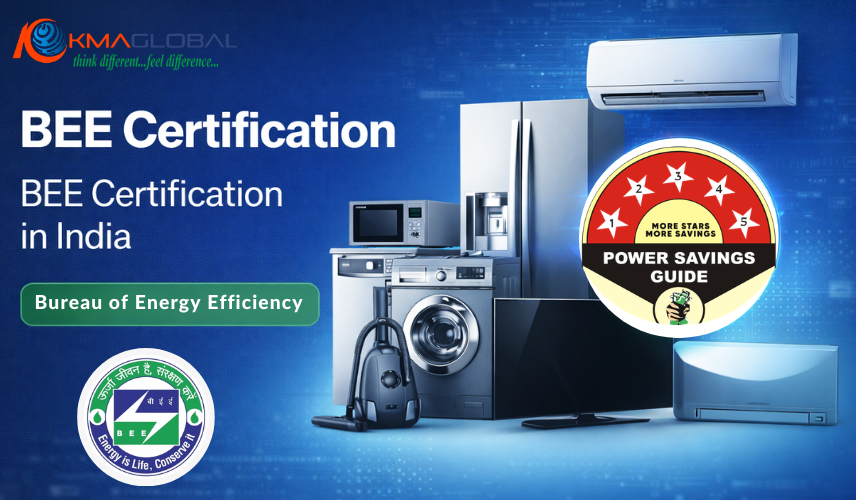
Energy efficiency has become a major focus for governments worldwide as energy consumption continues to rise rapidly. In India, increasing industrialization, growing consumer demand for electrical appliances, and rising electricity consumption have made energy conservation a national priority.
To address these challenges, the Government of India has implemented structured regulations to promote energy-efficient products and reduce power consumption. One of the most important initiatives in this direction is the energy efficiency certification and labeling program managed by the Bureau of Energy Efficiency (BEE).
BEE certification ensures that electrical appliances and industrial equipment meet defined energy efficiency standards before being sold in the Indian market. Products that comply with these standards are awarded a Star Rating Label, which helps consumers identify energy-efficient products.
For manufacturers, importers, and distributors, complying with BEE regulations is essential to access the Indian market and meet government regulatory requirements.
Organizations seeking professional assistance with BEE registration and compliance often work with experienced regulatory consultancies such as KMA GLOBAL, which provides certification consultancy, regulatory advisory, audits, training, and inspection services. The organization is led by former leadership from the Bureau of Indian Standards, bringing more than 45 years of expertise in standards and regulatory compliance.
The Bureau of Energy Efficiency (BEE) is a government agency established under the Energy Conservation Act, 2001 by the Government of India.
BEE operates under the Ministry of Power and is responsible for developing policies and programs that promote energy efficiency across industries, infrastructure, and household appliances.
The organization plays a key role in:
Through its certification and labeling schemes, BEE ensures that products sold in India meet minimum energy performance standards.
The Bureau of Energy Efficiency was established with several key objectives aimed at improving the energy efficiency landscape in India.
Promote Energy Conservation
BEE encourages industries and consumers to reduce energy consumption through efficient technologies and responsible energy use.
Develop Energy Efficiency Standards
The organization defines energy performance standards for various electrical appliances and industrial equipment.
Encourage Use of Energy-Efficient Products
Through labeling programs, BEE enables consumers to make informed purchasing decisions.
Support Sustainable Development
Energy-efficient technologies reduce greenhouse gas emissions and support India's environmental commitments.
Improve National Energy Security
By reducing energy demand, BEE initiatives contribute to long-term energy sustainability and economic stability.
One of the most visible initiatives of the Bureau of Energy Efficiency is the Star Rating Labeling Program.
This program provides a standardized energy efficiency label for appliances and equipment sold in India.
The label indicates the energy efficiency level of a product using a star rating system ranging from 1 to 5 stars.
Meaning of Star Ratings
Products with higher star ratings consume less electricity and reduce energy bills for consumers.
The BEE label typically includes:
This labeling system helps consumers compare products easily and choose energy-efficient options.
BEE certification applies to a wide range of electrical appliances and industrial equipment.
Some commonly regulated product categories include:
Air Conditioners
Split ACs and window ACs must comply with BEE energy efficiency standards before being sold in the Indian market.
Refrigerators
Domestic refrigerators are required to display the BEE energy rating label.
LED Lighting
Energy-efficient LED lamps and lighting systems are covered under the BEE labeling program.
Electric Fans
Ceiling fans must meet minimum energy performance standards defined by BEE.
Water Pumps
Agricultural and industrial pumps are required to meet energy efficiency standards.
Industrial Equipment
Large industrial equipment such as motors, compressors, and transformers may also fall under BEE efficiency programs.
Manufacturers must ensure that their products meet BEE requirements before entering the Indian market.
The BEE certification system consists of two primary types of product registration.
Mandatory Registration
Certain products must obtain BEE certification before they can be sold in India.
These products must:
Selling such products without BEE registration may lead to regulatory penalties.
Voluntary Registration
Some products may opt for voluntary BEE certification.
Companies choose voluntary certification to:
Voluntary certification often helps companies build consumer trust and differentiate their products in competitive markets.
Obtaining BEE certification involves several regulatory steps.
Step 1: Product Testing
Manufacturers must test their products in laboratories recognized by the Bureau of Energy Efficiency.
The testing process evaluates:
Step 2: Documentation Preparation
Companies must submit detailed documentation such as:
Proper documentation is essential for smooth registration.
Step 3: Registration on BEE Portal
Manufacturers must create an account on the official BEE registration portal.
All product information and supporting documents must be uploaded for evaluation.
Step 4: Application Review
BEE reviews the application and verifies test reports and technical details.
If the product meets all requirements, the application proceeds to approval.
Step 5: Label Approval and Certification
Once approved, the product receives a BEE Star Label authorization, allowing it to be sold in the Indian market.
Manufacturers must ensure that the approved label is correctly displayed on product packaging and marketing materials.
BEE certification offers several advantages for manufacturers and businesses.
Regulatory Compliance
Companies meet government energy efficiency regulations and avoid compliance penalties.
Consumer Trust
Products with BEE star ratings are perceived as reliable and energy-efficient by consumers.
Market Competitiveness
Energy-efficient products gain a competitive advantage in the marketplace.
Lower Energy Consumption
BEE-certified products help reduce electricity consumption and operational costs.
Environmental Sustainability
Energy-efficient technologies reduce carbon emissions and support climate goals.
Many companies face difficulties during the BEE certification process.
Complex Documentation
Preparing accurate technical documentation can be challenging for manufacturers.
Testing Requirements
Products must be tested in approved laboratories, which may involve technical coordination.
Changing Energy Standards
Energy performance standards are periodically revised, requiring product updates.
Regulatory Compliance Complexity
Companies unfamiliar with government procedures may experience delays in registration.
Working with experienced compliance consultants can significantly simplify the process.
Achieving BEE certification requires technical expertise, regulatory knowledge, and proper documentation.
KMA GLOBAL provides comprehensive support for businesses seeking energy efficiency compliance in India.
Services include:
BEE Registration Consultancy
Guidance on the complete BEE certification process.
Documentation Support
Preparation and review of regulatory documentation.
Product Testing Coordination
Coordination with accredited laboratories for energy performance testing.
Compliance Advisory
Strategic guidance on meeting energy efficiency regulations.
Energy efficiency regulations are becoming increasingly important as India works toward sustainable growth and responsible energy consumption.
The Bureau of Energy Efficiency plays a crucial role in promoting energy-efficient products through its certification and labeling programs.
For manufacturers, importers, and product companies, obtaining BEE certification is essential for regulatory compliance, consumer trust, and market competitiveness.
With expert regulatory guidance from KMA GLOBAL, businesses can navigate the BEE certification process efficiently and ensure their products meet India's energy efficiency standards
About The Author
Ashwini Kumar is an Electronics Engineer with over nine years of professional experience in Regulatory Affairs, as well as the Solar and Lighting industries, with a strong record of working in regulated and technology-driven environmen...Read More




Jun 26, 2026
EPR Registration for End-of-Life Vehicles
Jun 24, 2026
EPR Registration for E-Waste Management in India