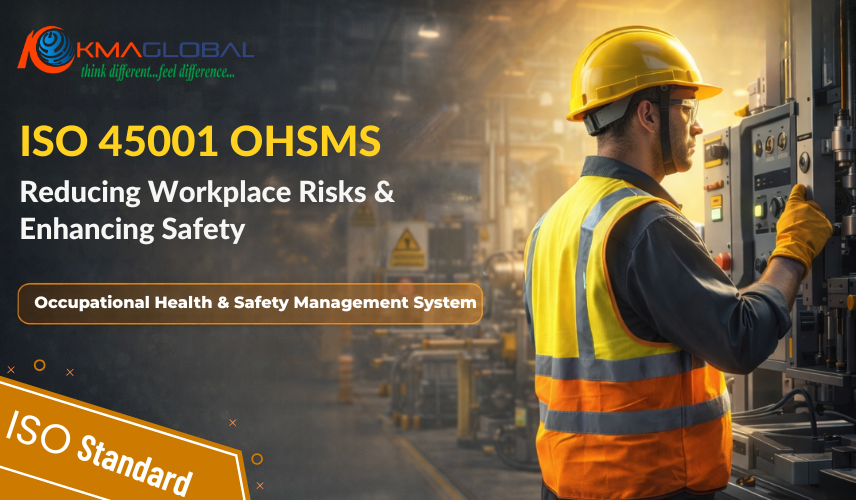
Workplace safety has become one of the most important priorities for organizations around the world. Businesses today are expected not only to deliver quality products and services but also to ensure that their employees work in a safe and healthy environment.
Industrial accidents, occupational illnesses, and unsafe working conditions can lead to serious consequences for both employees and organizations. These incidents often result in financial losses, legal liabilities, reputational damage, and reduced employee morale.
To address these challenges, many organizations are adopting internationally recognized frameworks such as ISO 45001, which provides a structured approach to managing workplace health and safety risks.
Developed by the International Organization for Standardization, ISO 45001 helps organizations create safer workplaces by proactively identifying hazards, assessing risks, and implementing effective control measures.
ISO 45001 is an international standard that specifies the requirements for establishing an Occupational Health and Safety Management System (OHSMS).
The main objective of this standard is to help organizations prevent workplace injuries, illnesses, and fatalities by implementing a systematic safety management framework.
Unlike traditional safety practices that focus mainly on responding to incidents, ISO 45001 promotes a preventive and risk-based approach. Organizations are encouraged to identify potential hazards before they cause harm and take proactive steps to eliminate or reduce risks.
This shift from reactive safety management to proactive risk prevention makes ISO 45001 a powerful tool for organizations seeking to improve workplace safety.
The modern workplace is becoming increasingly complex. Industries such as manufacturing, construction, logistics, and energy involve significant occupational risks that must be carefully managed.
At the same time, employees today expect organizations to prioritize their health and well-being.
Regulatory authorities across the world are also strengthening workplace safety regulations, making it essential for organizations to implement structured safety management systems.
ISO 45001 follows the Plan–Do–Check–Act (PDCA) model, which helps organizations continuously improve their safety performance.
Some of the important elements of the standard include:
By adopting ISO 45001, organizations demonstrate a strong commitment to protecting their workforce and maintaining safe working conditions.
Although ISO 45001 can be implemented by organizations in any sector, it is particularly valuable for industries with higher workplace risks.
These include:
Even service organizations and corporate offices can benefit from implementing structured safety management systems to ensure employee well-being.
Implementing an effective Occupational Health and Safety Management System requires awareness and competence at all levels of the organization.
Employees must understand workplace hazards, safety procedures, and their responsibilities in maintaining a safe working environment.
Structured training programs help professionals gain a clear understanding of ISO 45001 requirements and learn how to implement safety management systems effectively.
Training programs often include:
These programs equip professionals with the knowledge and skills required to monitor safety performance and conduct internal audits.
While standards and procedures play an important role, workplace safety ultimately depends on organizational culture.
Organizations that successfully implement ISO 45001 often develop a strong safety culture where employees actively participate in identifying hazards and preventing accidents.
This culture encourages open communication, continuous learning, and proactive risk management.
When safety becomes a shared responsibility across the organization, the likelihood of workplace incidents decreases significantly.
Creating a safe and healthy workplace is not only a legal requirement but also a fundamental responsibility of every organization.
International standards such as ISO 45001 provide a structured framework that helps organizations manage occupational health and safety risks effectively.
By adopting a proactive approach to workplace safety, organizations can protect their employees, improve operational efficiency, and build long-term organizational resilience.
As businesses continue to prioritize employee well-being, knowledge and training related to occupational health and safety management systems will remain increasingly important.
About The Author
Technical professional in management system standards training support, quality documentation, and coordination. Brings a strong analytical background with expertise in structured reporting, compliance-focused content, and training ope...Read More




Jun 26, 2026
EPR Registration for End-of-Life Vehicles
Jun 24, 2026
EPR Registration for E-Waste Management in India