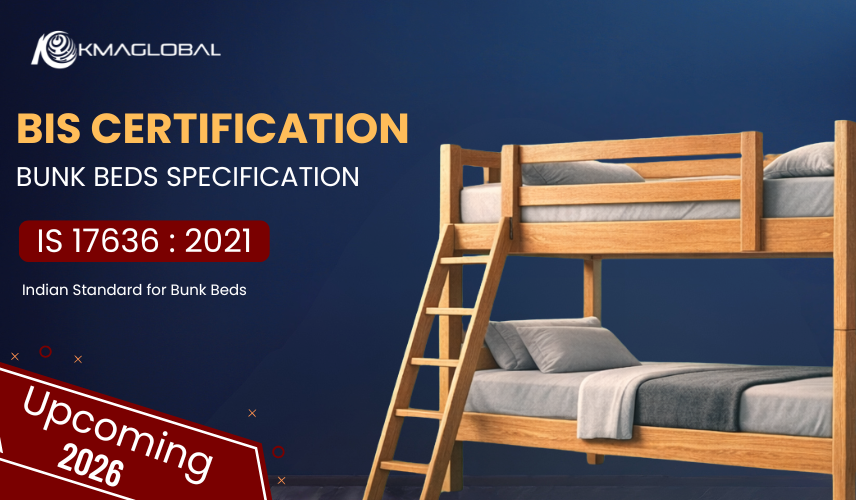
Bunk beds are a popular choice in both homes and commercial spaces where making the most of limited space is a priority. But given their stacked structure and elevated sleeping arrangements, they come with a unique set of safety considerations from structural strength and stability to fall protection and long-term durability.
To address these concerns, the Bureau of Indian Standards (BIS) has issued IS 17636: 2021 – Bunk Beds Specification. These standard lays out clear performance and safety requirements for bunk beds used in domestic and non-domestic settings. It also extends to single beds where the upper surface of the bed base sits 800 mm or more above the finished floor level, regardless of how the space underneath is used.
The standard covers the requirements relating to the performance and safety which includes:
It applies to:
The minimum dimensions for human-use spaces in an assembled bunk bed must conform to IS 5533. Any other dimensions may be agreed upon mutually between the manufacturer and the purchaser.
Any bed that can be used as a top bunk must be fitted with four safety barriers. These must be firmly secured against accidental loosening and cannot be removed without the use of a tool.
Key dimensional requirements include:
Accessible gaps must fall within one of three ranges:
All gaps between the bed base and sides or ends must not exceed 25 mm. The clear distance between the upper and lower bed bases must be a minimum of 750 mm. The bed base must allow for adequate ventilation, and no element should break, fall, or come loose during testing.
Supporting fastenings must not be damaged or detached during testing. During stability testing where a horizontal force of 120 N is applied no more than one leg or corner may lift from the floor. Additionally, the upper bed must not disconnect from the lower bed when subjected to a force of 500 N.
Any bunk bed that meets the standard must be provided with clear instructions for use. These instructions should include:
The mattress used must not exceed the maximum thickness marked on the product. Instructions must include the following warning:
Each bunk bed must be indelibly and legibly marked with:
Products that meet the requirements of this standard may be certified and marked under the applicable BIS conformity assessment schemes.
IS 17636: 2021 provides a thorough framework of safety and performance requirements for bunk beds used in domestic and non-domestic environments. By covering everything from structural strength and stability to safety barriers, ladder design, dimensional adequacy, and surface performance, the standard ensures that bunk beds are safe for occupants under both normal use and reasonably foreseeable misuse.
IS 17636:2021 is an Indian standard issued by the Bureau of Indian Standards that specifies safety, design, and performance requirements for bunk beds.
BIS certification may be required if bunk beds fall under a notified quality control order. Manufacturers should follow IS 17636:2021 for safety compliance.
The standard covers guardrails, ladder safety, structural strength, edge safety, and stability of bunk beds.
Bunk bed manufacturers, importers, and suppliers should comply with IS 17636:2021 to ensure product safety.
Manufacturers must apply through the Bureau of Indian Standards certification process. Companies like KMA Global can assist manufacturers with documentation, testing coordination, and the BIS certification application process.
About The Author
Megha Solanki is a Food Technologist with over 2 years of experience in regulatory compliance and conformity assessment with hands-on exposure to BIS certification procedures, food safety regulations and statutory compliance requiremen...Read More


Jun 26, 2026
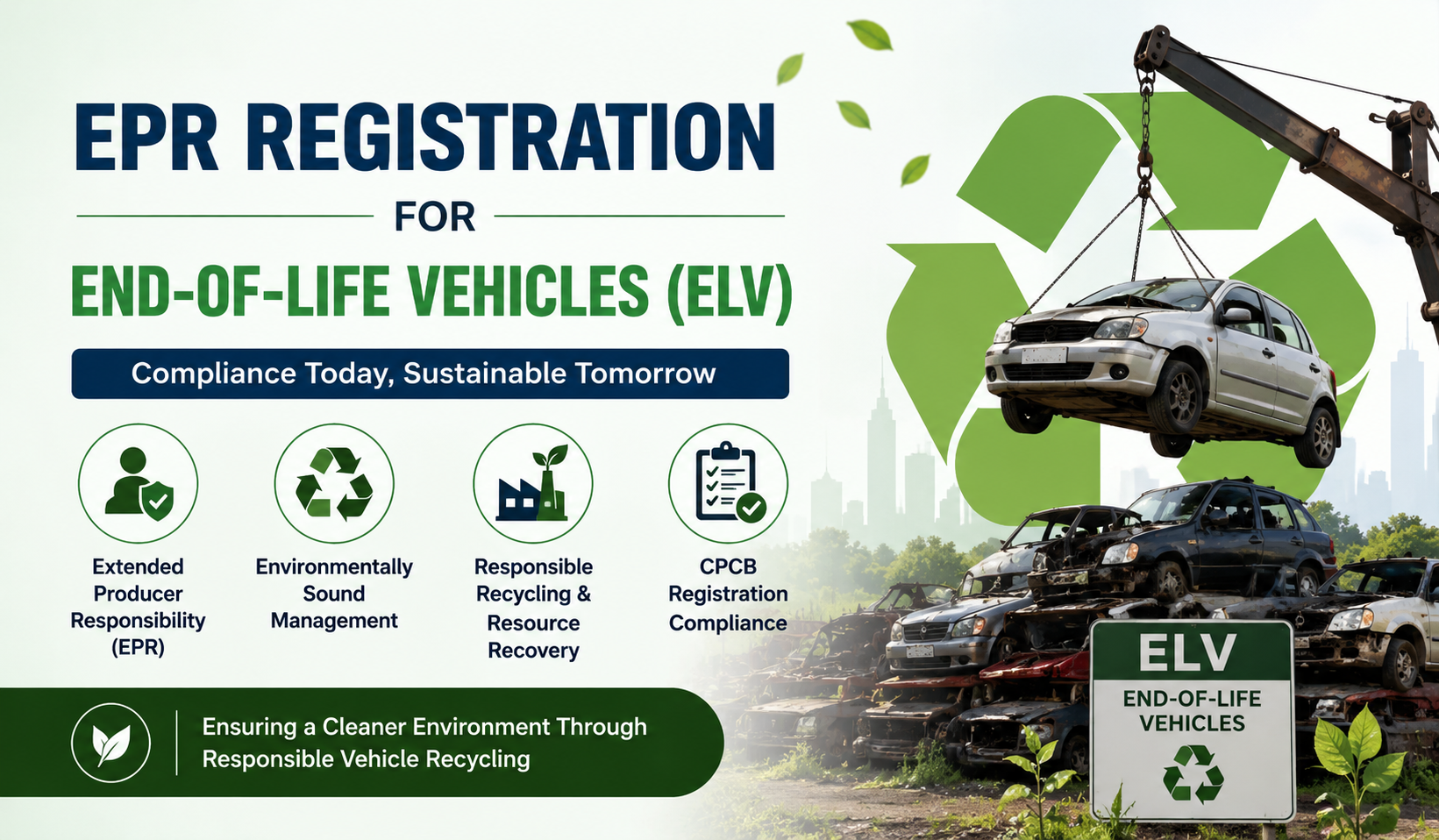
EPR Registration for End-of-Life Vehicles
Jun 24, 2026
EPR Registration for E-Waste Management in India