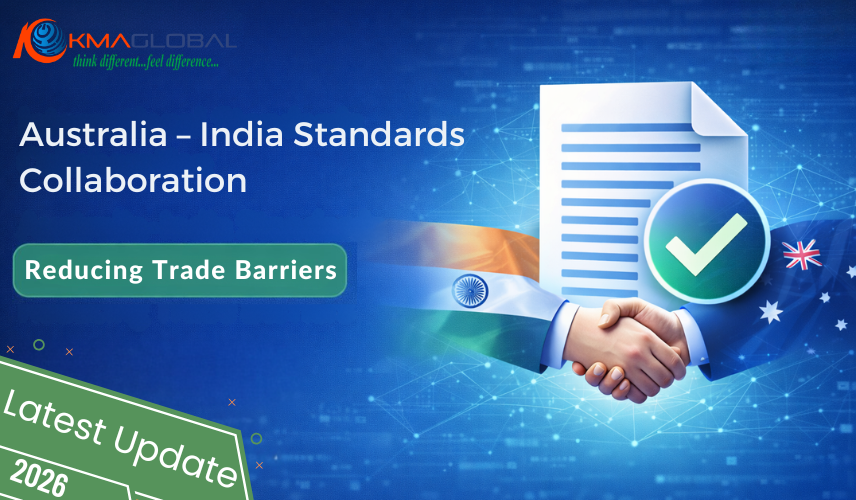
In recent years, trade relations between Australia and India have grown significantly. One of the key initiatives supporting this growth is the Australia–India Standards Trade Enabling Project, which aims to simplify cross-border trade by aligning technical standards and reducing regulatory barriers.
This collaboration plays an important role in enabling businesses from both countries to access new markets, improve product quality, and enhance global competitiveness.
The Australia–India Standards Trade Enabling Project is a joint initiative between
Standards Australia and Bureau of Indian Standards.
The project focuses on reducing technical barriers to trade by improving cooperation on standards, certification systems, and regulatory frameworks between the two countries.
Different countries often follow different technical standards. This can make it difficult for businesses to export products because they must undergo additional testing and compliance procedures. The initiative helps address these challenges by promoting harmonization and mutual understanding of standards.
Technical standards define the quality, safety, and performance requirements of products and services. When countries follow different standards, it can create obstacles for international trade.
Through standards cooperation, businesses benefit from:
By working together, Australia and India aim to build a more efficient and transparent trading ecosystem.
The Australia–India Standards Trade Enabling Project focuses on sectors with strong growth potential and strategic importance.
Green hydrogen is emerging as a critical solution for the global transition to clean energy. Australia and India are collaborating on standards that support production, transportation, and storage of green hydrogen.
The ICT sector, including digital services and call centers, is another area of cooperation. Aligning standards in this field helps improve technology integration, cybersecurity practices, and service quality.
Food safety and quality standards are essential for international trade. By aligning standards in this sector, both countries can facilitate smooth export and import of food products while maintaining safety and quality benchmarks.
The Australia–India standards collaboration creates several opportunities for businesses and industries:
For companies involved in manufacturing, technology, energy, and food industries, this initiative opens doors to expanded trade partnerships.
The partnership between Standards Australia and Bureau of Indian Standards is expected to strengthen economic ties between Australia and India.
As global markets become increasingly interconnected, standards harmonization will play a crucial role in enabling smooth international trade. The Australia–India Standards Trade Enabling Project is a strong example of how collaborative standardization can support innovation, sustainability, and long-term economic growth.
The Australia–India Standards Trade initiative represents an important step toward removing technical trade barriers and promoting international cooperation. By aligning standards and improving regulatory understanding, both countries can create a more seamless trade environment.
For businesses looking to expand globally, this collaboration provides valuable opportunities to enter new markets, reduce compliance challenges, and build stronger international partnerships.
About The Author
Arun Pratap Singh is specialization of Mechanical Engineer with over three years of experience in corrugated box and 1.5 year experience in Wind Renewable Energy .
Professional Experience
Read More


Jun 26, 2026
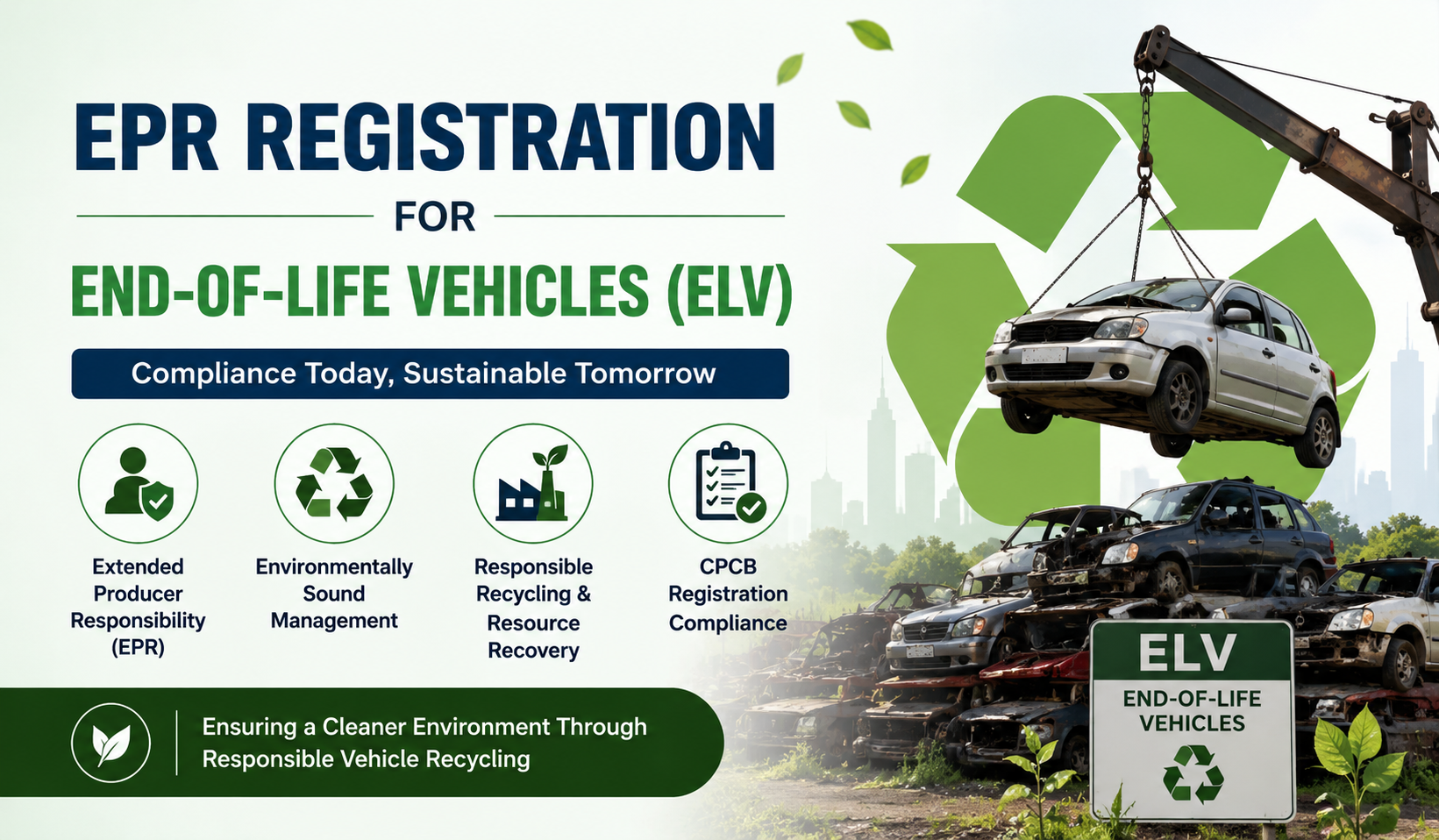
EPR Registration for End-of-Life Vehicles
Jun 24, 2026
EPR Registration for E-Waste Management in India