Tables and desks are essential furniture items used extensively in offices, homes, and public spaces. Given their functional importance, these pieces must demonstrate stability, strength, and durability during normal use as well as under conditions of foreseeable misuse. To establish uniform performance and safety benchmarks, the Bureau of Indian Standards (BIS) issued IS 17633:2022, titled "Tables and Desks.
This Indian Standard consolidates and supersedes multiple earlier standards that addressed different types of tables and desks. It introduces comprehensive requirements focused on strength, stability, durability, and safety, while considering modern materials, construction methods, and usage patterns.
IS 17633:2022 establishes the requirements for tables and desks used by adults in seated, sit-stand, or standing positions. The standard encompasses both office and domestic applications, including tables that incorporate glass in their construction.
The testing procedures prescribed under this standard are designed to simulate normal functional use as well as misuse that can reasonably be expected to occur. These tests evaluate performance independently of material type or manufacturing process, ensuring uniform assessment across different designs and constructions.
The standard applies to:
Scope of the Standard
IS 17633:2022 covers requirements relating to the performance and safety of tables and desks, specifically:
These requirements apply to furniture intended for adult users and designed for use in:
The standard does not include test methods for storage elements, nor does it assess long-term aging or material degradation beyond defined durability tests.
Design and Workmanship Requirements
As per IS 17633:2022, tables and desks shall meet the following design and workmanship conditions:
These requirements ensure user safety during regular interaction with the furniture.
Dimensional Requirements
The dimensions of tables and desks shall conform to IS 3663, which specifies dimensions for office tables and chairs. Alternative dimensions may also be used based on mutual agreement between the manufacturer and purchaser or design requirements, provided functionality and performance remain uncompromised.
Surface Performance Requirements
Rigid surface finishes of tables and desks shall meet the minimum performance ratings specified in IS 17637. The surface performance tests include resistance to:
These tests ensure that surface finishes can withstand everyday use conditions.
Safety Requirements
IS 17633:2022 specifies detailed safety testing covering stability, strength, and durability.
1. Stability Tests
1.1 Stability Under Vertical Load
1.2 Stability with Extension Elements Open
1.3 Stability Under Horizontal Load
Tables shall not overturn when subjected to the specified test forces.
Strength Tests
Strength tests assess the capacity of tables and desks to withstand:
Deflection limits and joint integrity are evaluated to ensure structural adequacy under load conditions.
Durability Tests
Durability tests simulate long-term repeated use to ensure that tables and desks maintain their structural integrity, stability, and safe performance over time.
2.1 Durability Under Vertical Force
2.2 Durability of Height-Adjustment Mechanism (Where Applicable)
2.3 Durability Under Horizontal Force
2.4 Durability of Tables with Castors (Where Applicable)
Marking and Identification
Each table or desk conforming to IS 17633:2022 shall be legibly and permanently marked with:
For ready-to-assemble furniture, assembly instructions shall be provided in printed or digital form. Products conforming to this standard may be certified under BIS conformity assessment schemes and marked with the BIS Standard Mark as per applicable regulations.
Conclusion
IS 17633:2022 establishes a unified and comprehensive framework for evaluating the performance, safety, and durability of tables and desks used in office and domestic environments. By defining standardized test methods and acceptance criteria, the standard ensures consistent assessment of furniture products under conditions that reflect real-world use.
Manufacturers, purchasers, and testing bodies can rely on IS 17633:2022 as a definitive reference for evaluating tables and desks against nationally recognized benchmarks.
Jun 26, 2026
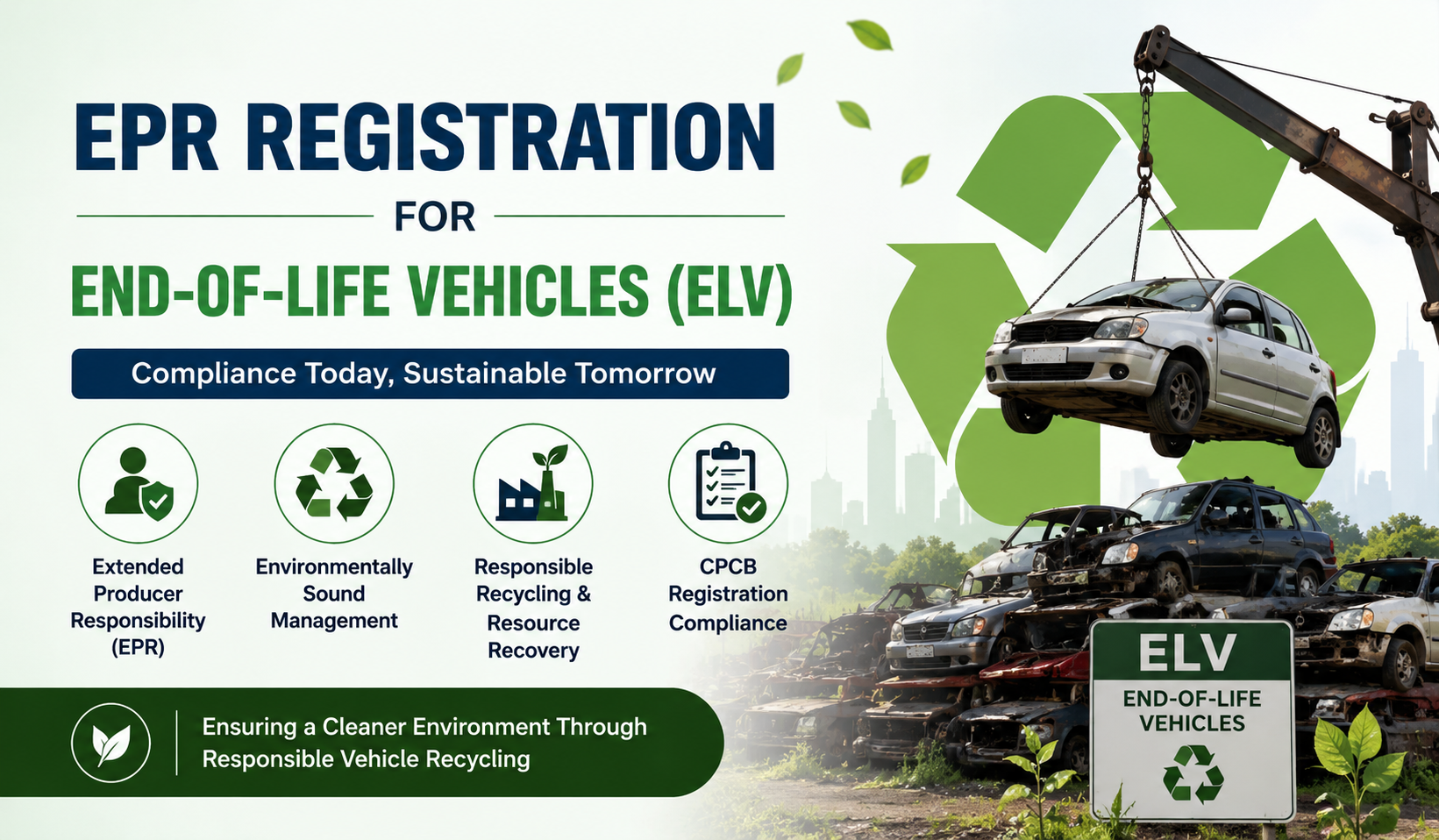
EPR Registration for End-of-Life Vehicles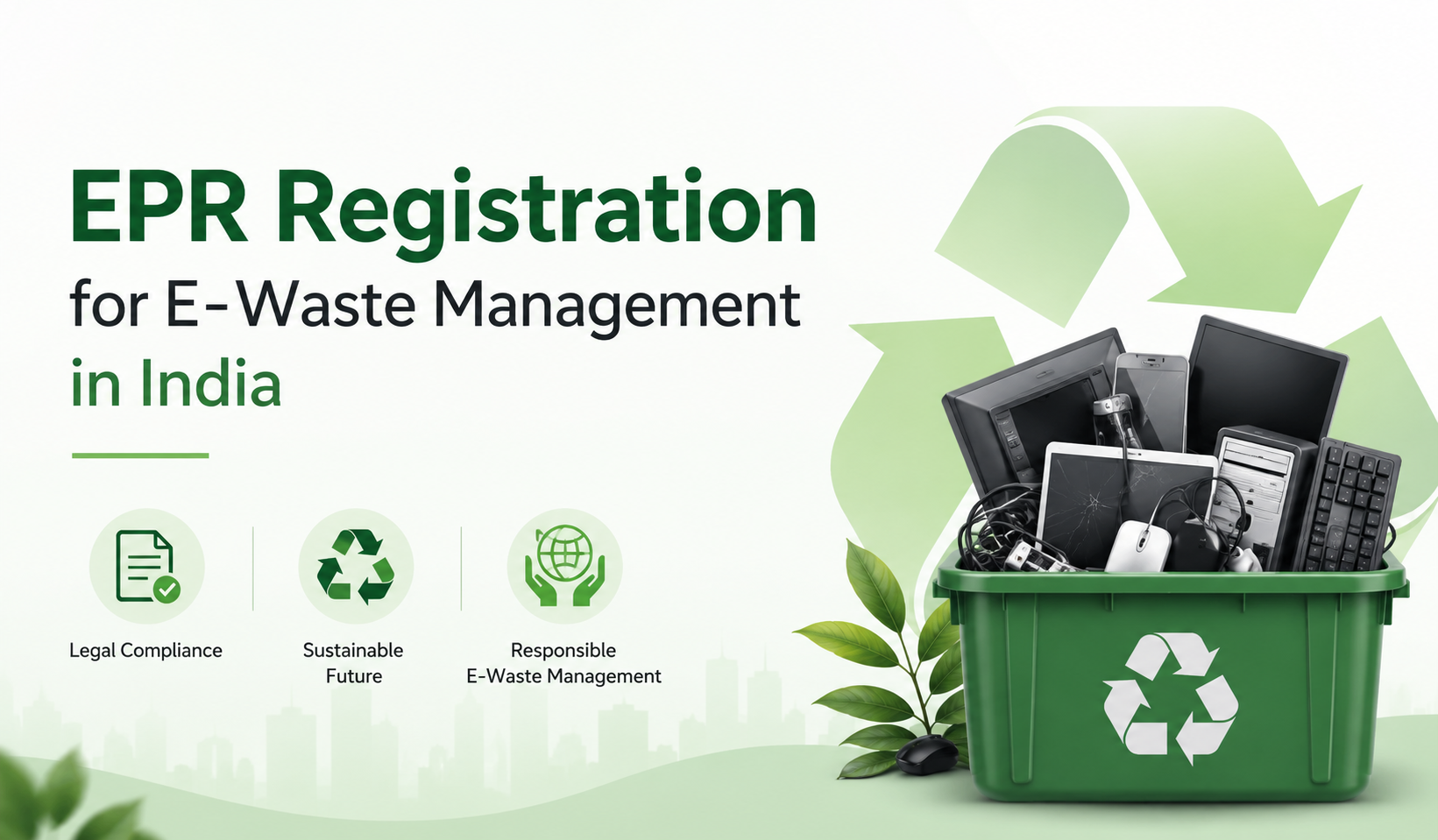
Jun 24, 2026
EPR Registration for E-Waste Management in India